
Knowledge
Polystyrene?
What if I tell you that you have polystyrene in your house right now — would you believe me?
The outside housing of the computer you're using now is probably made of polystyrene, as well as the housings of things like hairdryers, TVs and kitchen appliances, take away packs, cups, model cars, airplanes, as well as many other toys.
There are two types of polystyrene foam best suited for processing: Extruded polystyrene (XPS foam), and Expanded polystyrene (EPS foam). Although both types of insulation are comprised of polystyrene, the two manufacturing processes produce finished products with very different performance properties.
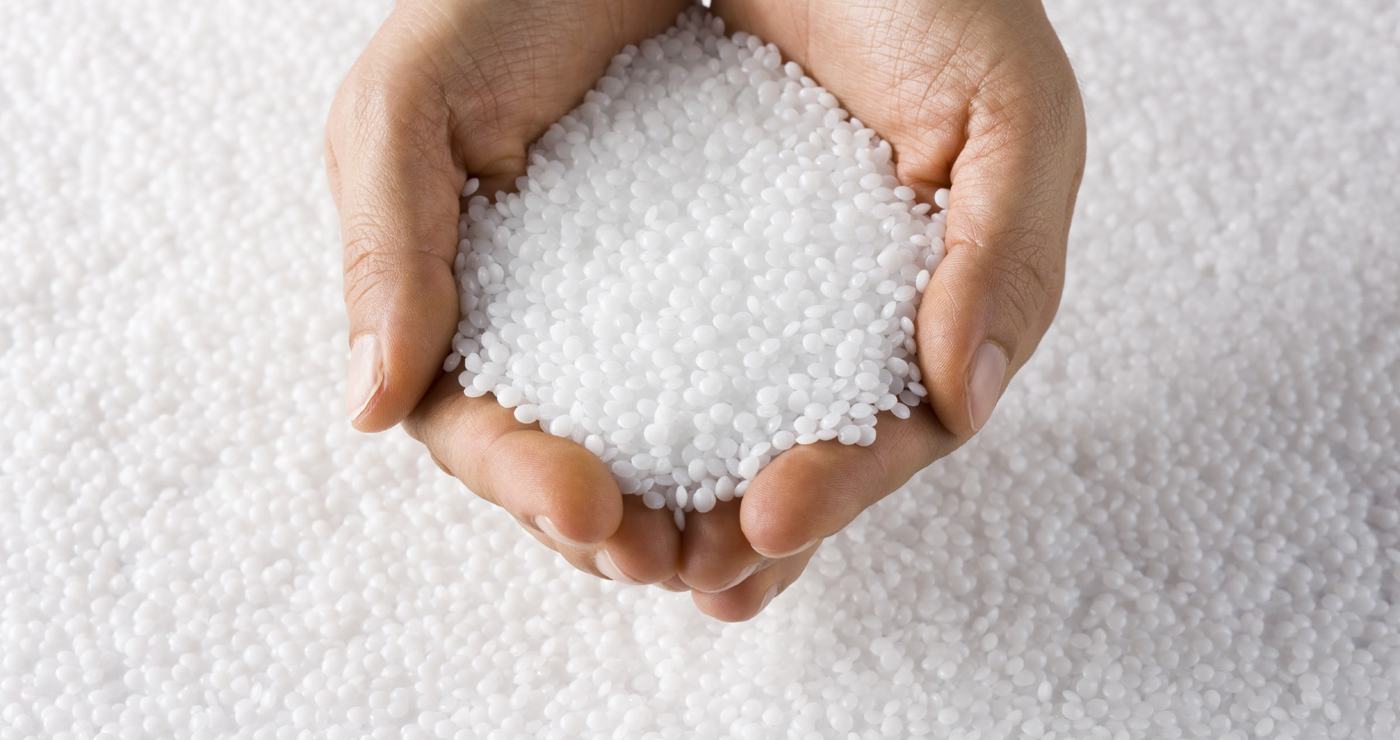
XPS is manufactured in a continuous extrusion process that produces a homogeneous closed cell cross section, whereas EPS is manufactured by expanding spherical beads in a mold, using heat and pressure to fuse the beads together.
We will be focusing mainly on EPS; as it is our primary interest.
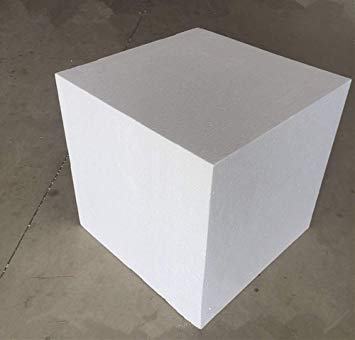
Expanded Polystyrene — EPS
EPS foam is perhaps the most common in everyday life: this white foam can be seen in cups for hot beverages, refrigerators, insulation, packaging, etc. The foam plastic consists of 96–98% air and 2–4% polystyrene. Granules are heated with steam in such a way that they rapidly expand (foaming) and form a low-density block (in a special form). EPS foam material is inexpensive and light — usually weighing 14–30 kg per cubic meter. Expanded polystyrene does not lose its fundamental properties with time and can be completely recycled and reused.
96–98%
Air content
14–30 kg/m³
Typical density
100%
Recyclable and reusable
Main uses of EPS
Building and Construction
EPS and XPS are used for a variety of applications because of their excellent set of properties including good thermal insulation, good damping properties and being extremely light weight. From building materials to white foam packaging, expanded polystyrene has a wide range of end use applications.
EPS foam is durable, strong as well as lightweight and can be used as insulated panel systems for facades, walls, roofs and floors in buildings, as flotation material in the construction of marinas and pontoons and as a lightweight fill in road and railway construction.
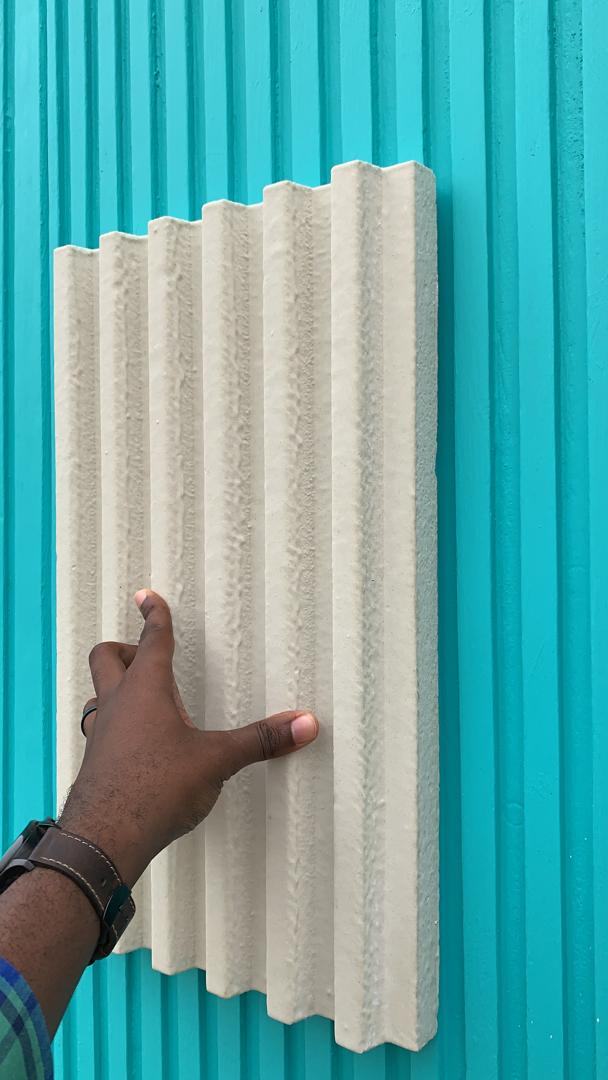
Why use Polystyrene?
There are several reasons why polystyrene materials are so widely used.
- Lightweight and portable
- Easily recyclable
- Easily laminated with epoxy resin
- High thermal insulation
- Ideal for outdoor/indoor works
- Resistant to moisture
- Extremely durable
- Compression resistant
- Branded by printing or adhesive labeling
- Versatile in strength
- Low price
- Manufactured into different shapes, sizes and compression materials
- High shock absorbency characteristics
- Possibility to apply different coating